

A legacy APU that shaped an industry - and a career
Originally manufactured in the 1960s by Garrett (now Honeywell), the GTCP85-series APU was the first of its kind I ever encountered. This was during my childhood, walking through my father's APU shop, Chase Aerospace, in the UK. The GTCP85-series has a rich history and numerous variants, having been fitted to a wide range of aircraft, from military to commercial. It was most notably prevalent in the Boeing 737 Classic.
Growing up, the GTCP85-series APU was a central part of our family business. I spent many summers as a teenager in the disassembly room, stripping these units down and meticulously cleaning each component. Hours spent staring into the blasting cabinet allowed me to become intimately familiar with this APU, down to the smallest piece part and part number.
Back in 2007, these APUs were trading for around $250,000 on the aftermarket. However, as Southwest Airlines began retiring their legacy fleet in the droves and operators migrated to the newer 737NGs, the market became flooded. For years, the trading price settled at around $50,000. It wasn't until 2020 that the value of these units began to rise again, reaching the $250,000 mark by 2024. This resurgence is primarily due to the limited availability of these units, as many have been cannibalized for spares. Despite the minimal number of Boeing 737 Classics still in operation, the scarcity of spares has kept the GTCP85-series a valuable asset.
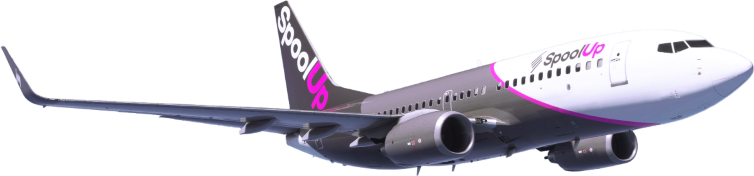
In terms of reliability, the GTCP85-series APUs were workhorses. However, they were known for requiring frequent parts replacements to remain operational in the field. Most units ran for about 6,000 hours between major shop visits, with repair costs typically ranging from $60,000 to $80,000. Today, a typical overhaul costs around $120,000.
The GTCP85-series APU was also significant in my professional journey. It was the first APU I ever received into stock when I founded TAG Aero in 2013, entrusted to me on consignment by Terry Hix at Reliance Aircraft. This unit marked the beginning of many successful ventures.
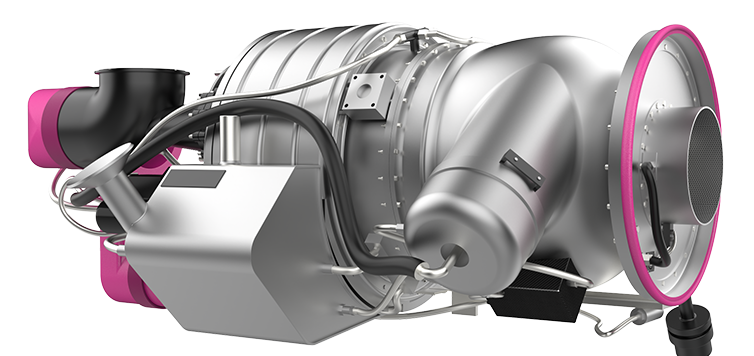
While many other APUs in operation today surpass the GTCP85-series in terms of efficiency and technological advancements, this model holds a special place in my heart. It played a crucial role in my early experiences in the industry and contributed significantly to my career. My hat is tipped to the GTCP85-series for the opportunities it presented and the memories it holds.
In conclusion, the GTCP85-series APU may no longer be the pinnacle of APU technology, but its legacy of reliability and personal significance makes it a standout in my journey through the aerospace industry.
Published by: Myles Thomas - CEO/Founder

Ready to take the next step?
Do you have an APU you want to list, or are you looking to buy one? Sign in to access the marketplace or speak with our team for guidance.